
Starter locs are not a single hairstyle. They are the foundation of a long-term process, and the right starting method depends on hair texture, length, density, desired loc size and daily routine. A careful consultation matters more than copying a photograph.
What starter locs cost around Omaha
Current Omaha-area listings show a wide market, roughly from $80 for a basic short-hair start to $250 or more for detailed parting, smaller locs or a specialist appointment. Hermi Luxe Hair lists starter locs from $120, with the final quote based on the number of locs, section size, hair length, density and chosen method. Extremely small sections, complex grids, preparation services and corrective work require more time.
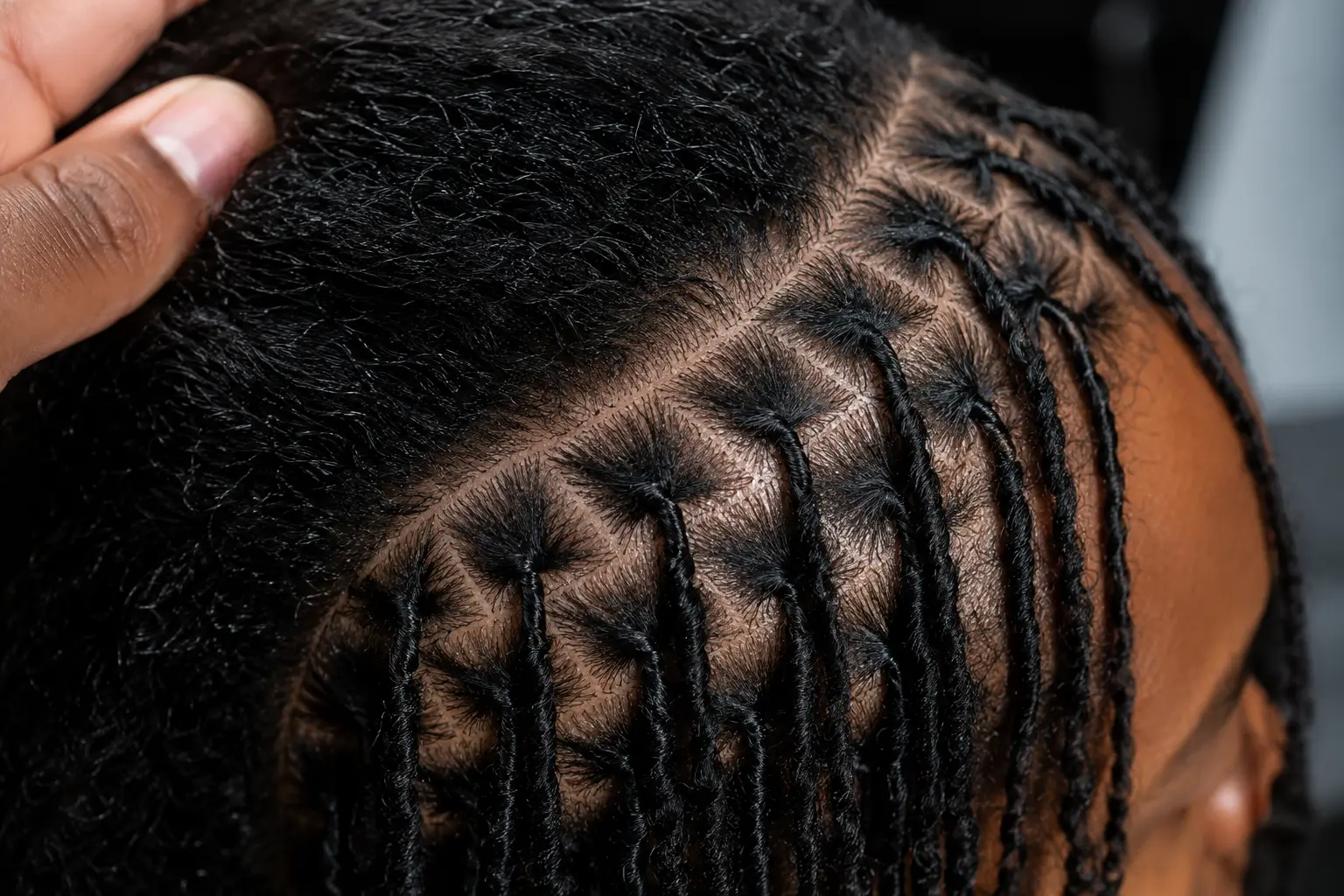
Comb coils or two-strand twists?
Comb coils create a compact spiral and are often selected for shorter, tightly coiled hair. Two-strand twists can provide a fuller initial appearance and may work well when the hair has more length. Both can mature successfully. The better option is the one that suits the client’s texture, desired loc size and ability to maintain the style between appointments.
Parting creates the long-term shape
Square, brick-lay, diamond and organic parting patterns distribute the locs differently. The grid influences how the scalp looks, how the locs fall and which future styles are easy to create. Density also matters: copying someone else’s exact loc count can produce a very different result on another head of hair.

How to prepare
Arrive with clean, fully detangled hair unless cleansing and preparation have been added to the appointment. Avoid heavy butters, waxes and oils immediately before the service. Bring two or three reference images that show both the scalp pattern and the mature loc size you prefer. Share any thinning, tenderness, scalp condition or prior chemical service before work begins.
What happens during the first months
New locs may look compact at first, then soften, swell, frizz and begin to bud. That change is part of maturation. Do not repeatedly twist loose hairs every day or overload the hair with product in an attempt to keep the starter stage perfectly smooth. Protect the hair at night, follow the agreed cleansing routine and allow the internal structure to develop.
Plan maintenance before you leave
Many new clients return in about four to six weeks, but the best interval varies. Hair growth rate, exercise, scalp needs, starter method and home care all affect timing. Retwisting too often may create unnecessary manipulation; waiting far too long may allow extensive marrying at the roots. Your stylist should recommend a realistic first follow-up rather than giving every client the same schedule.
Questions to ask before booking
Confirm whether cleansing is included, how many locs are expected, which starter method will be used, how long the service may take and what future retwists cost. Ask what products will be applied and what you should do if a coil unravels. Clear expectations protect both the client’s investment and the stylist’s work.
A loctician or braider provides cosmetic hair services, not medical diagnosis. Persistent pain, sores, inflammation or unexplained hair loss should be assessed by an appropriate licensed health professional.